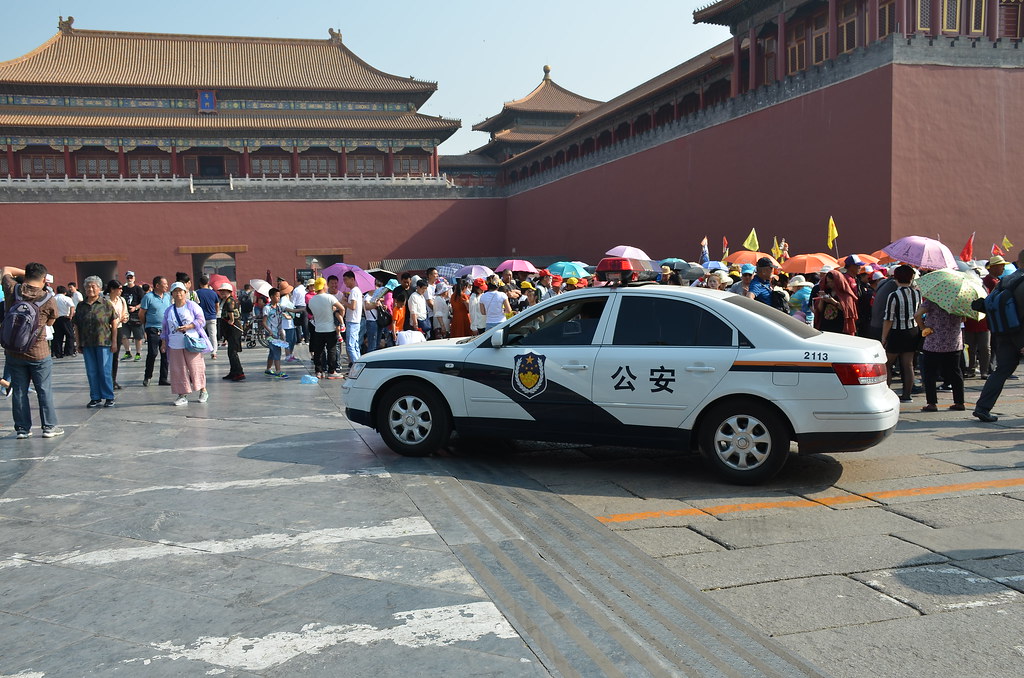
China Covid19 Lockdown Today-China Covid 19 remains on lockdown as police investigate reported threat
China COVID 19 lockdown measures represented one of the most stringent public health strategies globally, significantly shaping the nation’s social and economic landscape between 2020 and 2022. These localized and sometimes widespread containment efforts utilized mass testing, travel restrictions, and quarantine protocols to curb viral transmission under the government’s zero-COVID policy.
For years, the implementation of these measures frequently resulted in abrupt changes to daily operations in major commercial and residential hubs. Authorities relied on a tiered system of neighborhood-level monitoring, which occasionally escalated into city-wide lockdowns to maintain zero-community transmission goals. These actions necessitated massive logistical efforts by health workers, local government officials, and community volunteers to ensure essential supply chains remained operational during periods of restricted mobility.
Key Developments and Verified Background of Containment Strategies
The core of the strategy involved dynamic adjustments based on local risk assessments. When an area reported a rise in infections, officials would delineate high-risk zones. In these zones, residents were often required to remain at home, while businesses were temporarily closed until community testing confirmed the suppression of the viral spread. This model relied heavily on digital tracking tools and rapid mobilization of health resources.
By late 2022, the landscape of these policies began to evolve as domestic and international conditions changed. The government initiated a recalibration of its approach, balancing the necessity of public health protection against the impacts on commercial activity and the general public’s daily requirements. This period marked a transition away from the rigid lockdowns that characterized the preceding years toward a more manageable, targeted health management system.
Official Statements and Socioeconomic Impact
Official reports have noted that the primary objective of these extended containment periods was to protect vulnerable populations while expanding healthcare capacity. The economic implications, however, were subjects of extensive domestic and global analysis. While major manufacturing hubs worked to implement closed-loop systems to keep production lines moving during restrictions, service sectors faced challenges due to limited consumer mobility and temporary business closures.
Throughout this period, local governments coordinated with national health authorities to provide updates on testing protocols and isolation requirements. The focus consistently shifted toward optimizing resources, reducing the duration of mandatory quarantines for travelers, and refining testing frequencies to minimize disruption to the broader populace.
Frequently Asked Questions About China’s Pandemic Measures
Were there consistent policies for lockdowns across all provinces?
No, policies were localized and adjusted based on the specific risk level of each city or neighborhood, allowing regional officials to respond to local data.
What replaced the zero-COVID policy in China?
Following a shift in December 2022, China transitioned toward a standardized management system that emphasizes vaccination and focused clinical care over mass lockdowns.
How did residents manage daily needs during lockdown periods?
Local neighborhood committees, known as juweihui, were tasked with coordinating the distribution of food and essential supplies to residents confined to their homes.